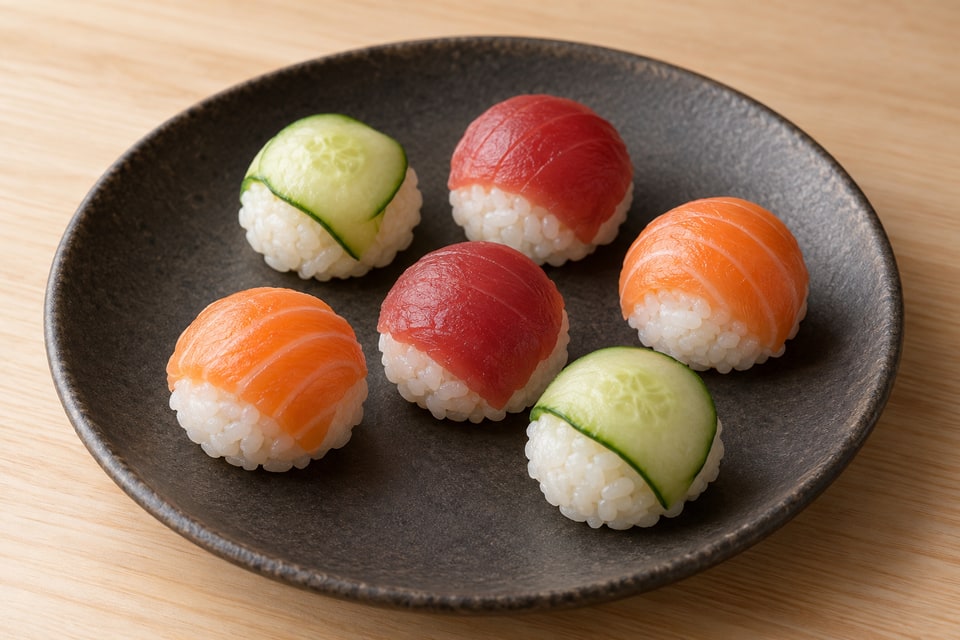
The Arc of a Meal: From Lean to Rich to Palate Cleanser
An expertly designed omakase follows an arc that engages the palate progressively. The meal begins with delicate, lean fish (typically white fish like fluke or flounder) to awaken the palate without overwhelming it. The flavors are subtle and allow the diner to adjust to the experience. Early pieces are often room temperature or slightly cooler than body temperature. The progression moves toward fattier items (fatty tuna, fatty yellowtail) that deliver richness and depth. These pieces are typically at body temperature to maximize the butter-like texture. After the fattier pieces, palate cleansers appear: perhaps pickled vegetables, a light soup, or a hand-vinegar-cleansed moment. Then richer items return, perhaps including cooked preparations like eel or scallop. The meal concludes with items that are memorable and leave a lasting impression, often including the chef's specialty or seasonal star ingredient. The entire arc might encompass 15 to 20 pieces over 60 to 90 minutes.
Seasonal Progression (Shun) and Ingredient Timing
Japanese cuisine emphasizes shun—the optimal season when an ingredient achieves peak flavor. White fish that's perfect in spring might be available year-round but loses quality in summer when the ocean warms. Bluefin tuna is at its fattiest in winter. Uni (sea urchin) is typically available only during cooler months. A chef intimately familiar with seasonal cycles constructs menus that showcase each ingredient when it's at its best. An omakase in spring highlights different ingredients than in autumn. This seasonal approach requires knowledge and intentionality: a chef who understands the source of their ingredients and their seasonal characteristics can design memorable meals that feel of a particular time and place. Diners who visit the same omakase establishment multiple times across seasons experience different menus that showcase different ingredients and tell different stories.
Reading the Guest and Adjusting in Real-Time
An expert omakase chef observes guests carefully and adjusts pacing and selections based on what they observe. If a guest seems excited by lean fish, the chef might linger on white fish selections. If a guest seems reserved and careful in their eating, the chef might moderate intensity. If a guest says they dislike a particular preparation or ingredient, the chef mentally notes and avoids similar items. The chef might ask questions: "Do you prefer cooked items?" "Should I include eel?" "Any allergies?" These aren't just courtesy questions; they're information gathering that informs the entire experience. A skilled chef uses this information to construct a personalized experience rather than following a rigid menu. This responsiveness is one of the highest forms of hospitality and distinguishes exceptional omakase from routine sushi.
Tempo Between Courses and Piece Portions
The pacing of service dramatically affects the experience. If pieces arrive too quickly, the diner feels rushed and cannot fully absorb each flavor before the next arrives. If pieces arrive too slowly, momentum lags and the meal feels disjointed. The ideal tempo is approximately 2 to 3 minutes between pieces, allowing time to eat, digest, and prepare for the next. The chef watches for when the diner finishes the previous piece before presenting the next. This attentiveness, particularly in omakase where the chef is typically just feet away at the counter, creates a rhythm. How many pieces constitute a course? Typically, one piece of nigiri is one course. A small bowl of soup or a small plate of vegetables is one course. A roll might be two to four pieces depending on size. An omakase experience might progress through 15 to 20 pieces (courses) across the meal, with the entire progression taking 60 to 90 minutes.
Opening and Closing Signatures
The opening piece sets the tone for the entire meal. Many omakase establishments begin with a signature item—perhaps the chef's specialty white fish or a particular preparation that's become known as their calling card. This opening piece should be immediately satisfying and accessible, establishing trust that the chef knows what they're doing. The closing piece should be equally memorable, leaving the diner with a strong final impression. Some chefs end with their most difficult or impressive preparation. Others end with something simple but emotionally resonant—perhaps a childhood favorite or a particularly beautiful seasonal item. The opening and closing pieces bookend the experience and often define what the diner remembers. A poorly chosen opening or closing can overshadow an otherwise excellent meal. A brilliant opening or closing elevates an entire experience.
Menu Design Philosophy and Constraint as Art
A fixed omakase menu (rather than a customizable menu) forces both chef and diner into an intentional relationship. The chef, knowing exactly what each diner will receive, can prepare and time each piece perfectly. The diner, knowing they'll receive what the chef deems best, surrenders to the experience. This surrender—and the trust it requires—creates a different emotional tenor than customizable service. A customizable menu offers agency and respect for individual preference but requires the chef to execute many different options and loses the careful orchestration possible with a fixed menu. Most omakase establishments offer a base fixed menu with note-taking to accommodate dietary restrictions and strong preferences. The fixed menu is considered the authentic omakase experience; the customizable menu is a Western adaptation that democratizes sushi service.
Keep these details in mind.
- Design omakase arc: lean and delicate to open, progress to fatty and rich, include palate cleansers, close memorably
- Plan seasonally using shun (peak season); spring and autumn highlight different ingredients than winter and summer
- Read guests and adjust selections and pacing in real-time based on visible preferences and direct questions
- Maintain 2-3 minutes between pieces for digestion and pacing; 15-20 pieces constitutes typical omakase experience
- Choose opening piece to establish trust; closing piece to create lasting memory
From reading to cooking.
Temari Sushi · Perfect Sushi Rice
Return to the journal ↗