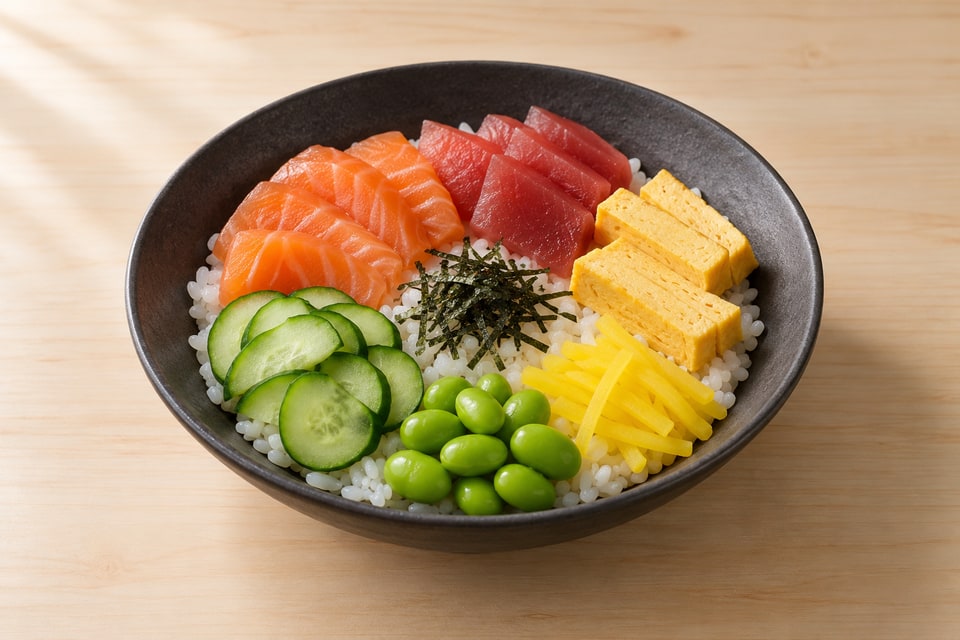
Plate Selection and the Foundation of Presentation
The plate is not mere decoration; it is the frame for your work. Select plates that complement your sushi without overwhelming it. White or neutral ceramic plates are traditional and allow colors and textures of sushi to stand out. Avoid busy patterns or loud colors that compete with your food. Size matters too: a plate that's too small feels cramped; too large looks sparse. For a single serving of four to six pieces, a 10-inch round plate or a rectangular 12 by 5-inch plate works well. Consider the height and shape of the plate edge: raised edges can make plating feel enclosed, while low or no-edge plates feel open. Japanese sushi restaurants often use rectangular plates, understated ceramic, or even simple wooden boards. The aesthetic should feel intentional and calm, not fussy or over-thought.
The Odd-Number Rule and Negative Space
Arrange your sushi pieces in odd numbers: three, five, or seven pieces on a plate. Odd numbers create visual interest and feel more natural than even arrangements. Beyond the number, observe the principle of ma—negative space. In Japanese aesthetics, empty space is as important as occupied space. Don't crowd your plate. If you have five pieces of nigiri, distribute them with intention: perhaps one at the top left, one in the center, one at the bottom right, creating a diagonal line with space between. This arrangement is more compelling than five pieces lined up in a row or clustered in the center. The plate should feel composed and considered, not random but also not symmetrical. This balance between order and spontaneity creates visual interest.
Garnish: Shiso, Daikon Tsuma, and Edible Flowers
Subtle garnishes elevate presentation. Shiso leaves (Japanese mint) add both color and fresh flavor. Place one or two shiso leaves on the plate near (but not touching) your sushi. Daikon tsuma (thin sliced daikon radish) is a traditional garnish that adds crunch and freshness. A small pile of delicate daikon threads placed beneath or beside your sushi adds visual interest. Some chefs use microgreens, baby lettuce, or edible flowers. These garnishes should feel intentional and minimal, never overwhelming. An edible flower might sit on top of a piece of nigiri, adding a single point of color. The principle is restraint: one or two garnish elements, not a salad. These garnishes serve both visual and palate-cleansing purposes. The slight peppery bite of shiso or the crisp texture of daikon threads prepare your palate between bites and add complexity to the overall experience.
Sauce Application and Presentation
If serving sauce (soy, ponzu, or a house sauce), apply it thoughtfully. Never drown your sushi; sauce should enhance, not mask, the delicate flavors. Use a small spoon or squeeze bottle to place sauce in a thin line or small pools around (not under or on) your sushi. A single line of sauce on the plate suggests restraint and sophistication. Puddles of sauce suggest a lack of confidence in the sushi itself. Some plating styles involve a light drizzle across the plate using the back of a spoon or fork—this creates visual interest and suggests abundance without overwhelming. The sauce should be the right temperature: at room temperature or slightly warm, never cold. Cold sauce dulls the flavors of both sauce and sushi.
Height, Depth, and Asymmetry
Professional plating considers three dimensions, not just the plate's flat surface. Create height: perhaps stand one piece of nigiri upright (cut side up) so it reaches 2-3 inches. Recline other pieces at a slight angle, creating depth. This variation in angles and heights makes the plate more interesting visually than everything flat. Asymmetry is also key: don't create a symmetrical arrangement that feels formal or sterile. Instead, let the composition feel natural and composed but not perfectly balanced. One piece might sit upright, another might recline, a garnish might sit to the left side, sauce on the right. This asymmetry reads as sophisticated and intentional.
Photographing Your Work
If you plan to photograph your sushi, light is everything. Natural light is ideal; position your plate where soft, natural light hits it directly but not harshly. Avoid fluorescent overhead light, which creates unflattering color casts. If photographing indoors, position your plate near a window. Shoot from directly above or at a slight angle (45 degrees) to show dimensionality. Use a simple background—a white plate on a light wood table or neutral surface works beautifully. Avoid cluttered or busy backgrounds that distract from the sushi. If sharing photos, crop to highlight your sushi; you don't need the entire table in frame. A well-photographed sushi plate can showcase your skill and inspire you to continue refining your craft. The effort to plate and photograph thoughtfully reminds you that sushi is not just food; it's an aesthetic expression.
Keep these details in mind.
- Choose neutral plates that complement sushi without competing; size should fit the amount of sushi without feeling cramped or sparse
- Arrange sushi in odd numbers with intentional spacing; use negative space (ma) to create visual interest
- Add minimal garnish: shiso leaves, daikon tsuma threads, or an edible flower; garnish should enhance, not overwhelm
- Apply sauce sparingly in lines or small pools, not drenched; sauce should suggest restraint and sophistication
- Create height and depth by varying angle and position; photograph with natural light from the side or above
From reading to cooking.
Chirashi Bowl · Perfect Sushi Rice
Return to the journal ↗