Scaling Recipes and Batch Timing
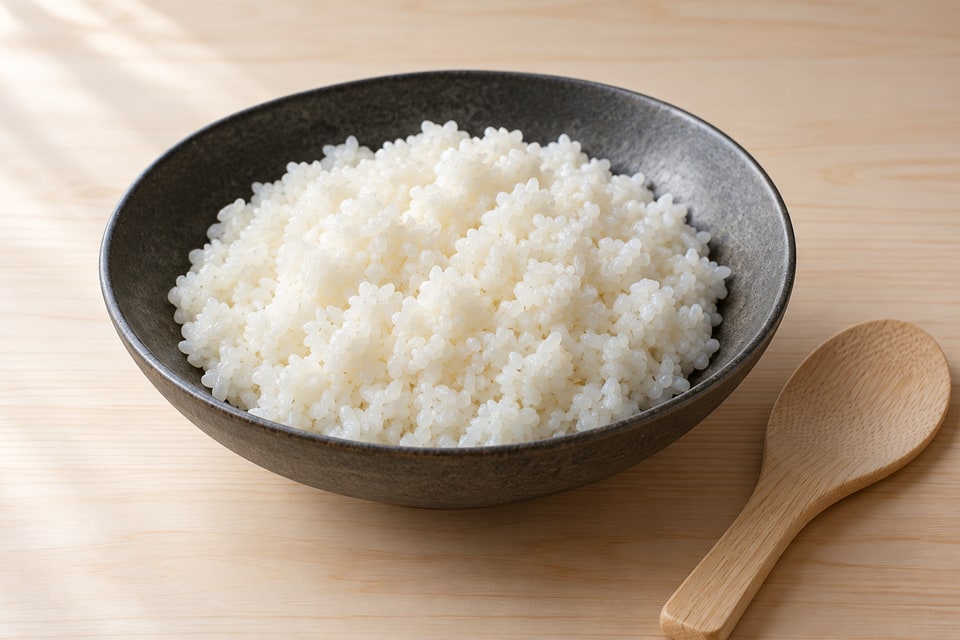
Cooking sushi rice at volume requires different thinking than home cooking. A professional sushi bar might prepare 15 to 20 pounds of rice each day, divided into multiple batches to maintain freshness and temperature. Rice cookers have capacity limits (typically 6 to 10 cups uncooked), so batch timing becomes critical. A sushi bar might have two or three rice cookers running on staggered schedules so that fresh rice is available continuously throughout service. One batch is being served, another is cooling and seasoning, and a third is being prepared. Each batch takes approximately 40 to 50 minutes from start to readiness: 15 to 20 minutes cooking, then 30 minutes of cooling and seasoning. Staggering batches ensures that rice available at any given moment is within this optimal window. Batches older than 90 minutes deteriorate noticeably; rice becomes gluey and unpleasant. Batches younger than 20 minutes are still too warm and won't hold together well for rolling or nigiri forming.
Holding Temperature: The Ohitsu and Alternatives
An ohitsu helps manage moisture and texture, but a serving vessel is not a food-safety control. The journal’s vinegar recipe is not a validated acidification process for extended warm holding. Professional service requires the controls and documentation accepted by the relevant local authority. For home use, plan smaller batches around immediate assembly and follow the complete current rice recipe rather than adopting a restaurant’s holding routine.
Adjusting Seasoning for Temperature and Humidity
The ambient temperature and humidity affect sushi-zu effectiveness. In hot, humid conditions, rice requires less sushi-zu because it retains moisture. In cool, dry conditions, rice may benefit from slightly more sushi-zu because it evaporates more quickly during cooling. A head chef develops intuition about these adjustments through experience. Tasting batches and noting conditions helps identify patterns. Some chefs maintain detailed records: date, ambient temperature and humidity, rice batch number, sushi-zu ratio, and how the rice performed. Over dozens or hundreds of batches, patterns emerge. A chef might discover that on humid summer days, they reduce sushi-zu by 10%, and on dry winter days, they increase it by 10%. This precision is what separates competent from exceptional sushi.
The Morning Mise of a Sushi Bar
A sushi chef's morning preparation (mise en place) focuses on rice. The chef arrives several hours before service and prepares multiple batches of rice, timing them so the first batch is ready exactly as service begins. The rice is cooled, seasoned, and placed in ohitsu or warming drawers. Additional batches are prepared during early service, scheduled to be ready during mid-service rush. Late in service, rice preparation slows as the evening winds down. This choreography requires planning and awareness of historical service patterns. A Tuesday afternoon shift requires different rice preparation than a Friday night service. A sushi chef who understands the rhythm of their establishment—knowing when rushes occur, how many sushi will be served, how many batches will be needed—can prepare rice optimally, minimizing waste while ensuring freshness.
Batch Tracking and Freshness Management
Professional operations track when each batch was prepared and when it should be retired. Some chefs mark ohitsu with time labels, discarding and replacing every 90 minutes. Others use a first-in, first-out system, always pulling rice from the oldest batch first. Some simply keep notes of timing and trust their judgment. The goal is that no rice served to a customer is more than 60 to 75 minutes old. Beyond this, quality degradation is noticeable even to average diners. Discarding old rice is costly but necessary; serving mediocre rice destroys reputation. The economics of a sushi restaurant balance the cost of rice (which is cheap) against the value of maintaining quality (which is priceless). Chefs who serve consistently excellent rice build loyal customers. Those who sometimes serve day-old rice build uncertainty.
Keep these details in mind.
- Cook rice in batches on staggered schedules, typically 15-20 lb daily in 6-10 cup batches with 40-50 minute cycles
- Implement batch tracking and first-in-first-out systems; discard and replace rice at set intervals to ensure consistency
- Quality and safety controls are separate; a vinegar recipe is not a validated extended holding process.