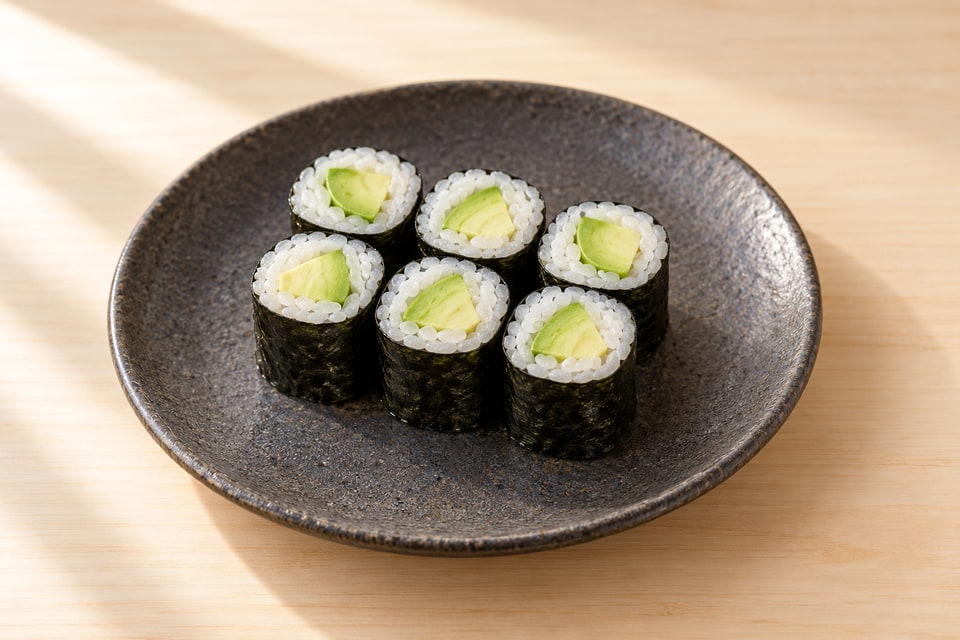
Avocado Roll
Avocado maki replaces the fish’s soft richness with ripe fruit. The avocado should yield to gentle pressure but still cut into defined slices. A bruised or overripe fruit makes a paste before the mat is lifted.
Open recipeThe Sashimee collection
Fifty complete recipes. Choose a familiar favorite, or learn something new.
Avocado maki replaces the fish’s soft richness with ripe fruit. The avocado should yield to gentle pressure but still cut into defined slices. A bruised or overripe fruit makes a paste before the mat is lifted.
Open recipe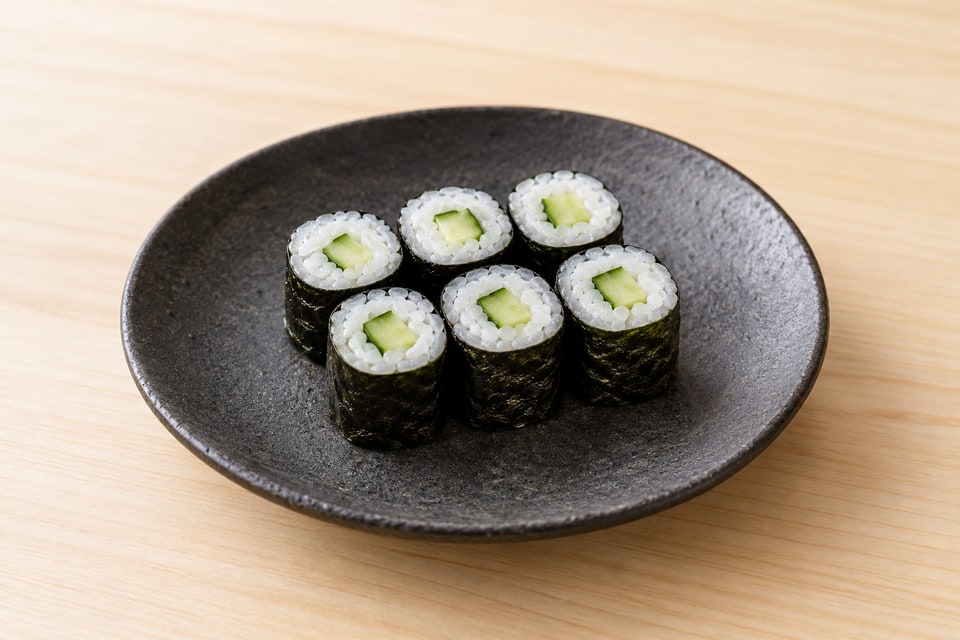
Kappa maki is a small test of texture. The cucumber should be cool and crisp, with the watery seed core removed, while the rice remains soft enough to yield.
Open recipe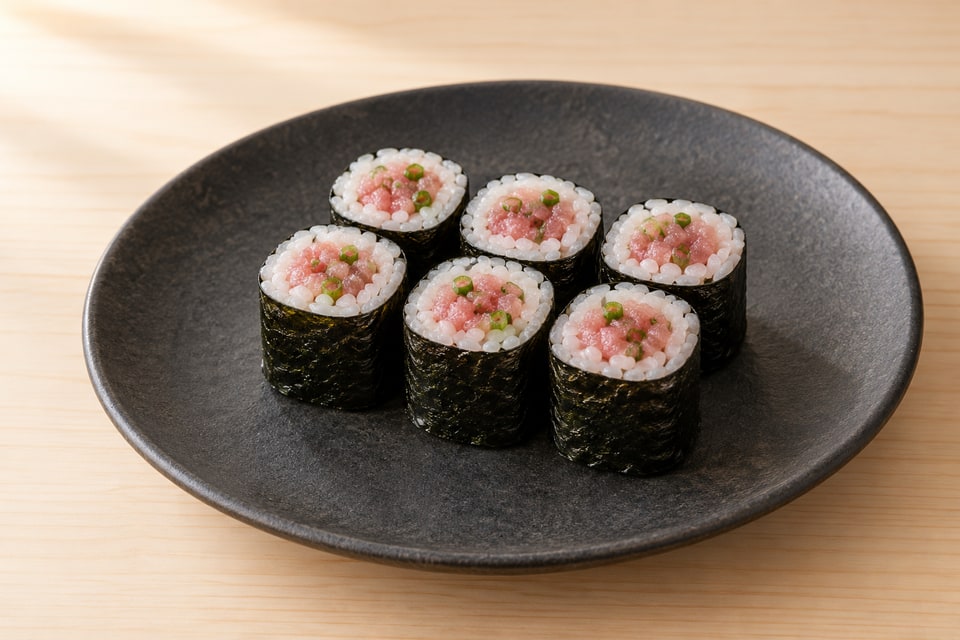
Negitoro maki combines finely chopped fatty tuna with scallion. The softness of the filling is deliberate, but it should remain a chopped fish mixture rather than a mayonnaise spread.
Open recipe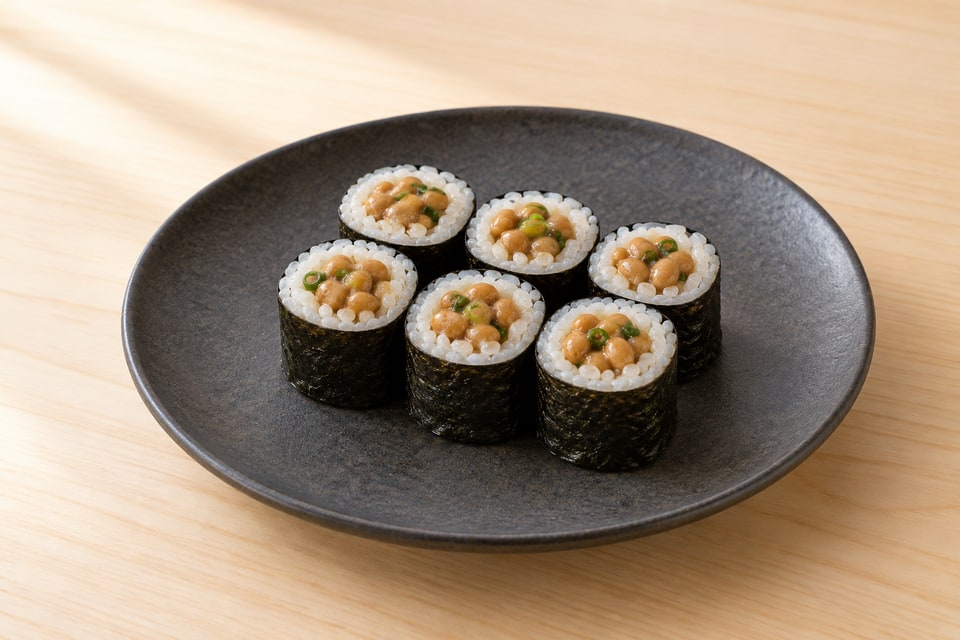
Natto maki uses purchased fermented soybeans, stirred briefly to distribute their characteristic sticky threads. The filling is assertive, so the nori and rice should remain clean and spare. Scallion gives a fresh edge.
Open recipe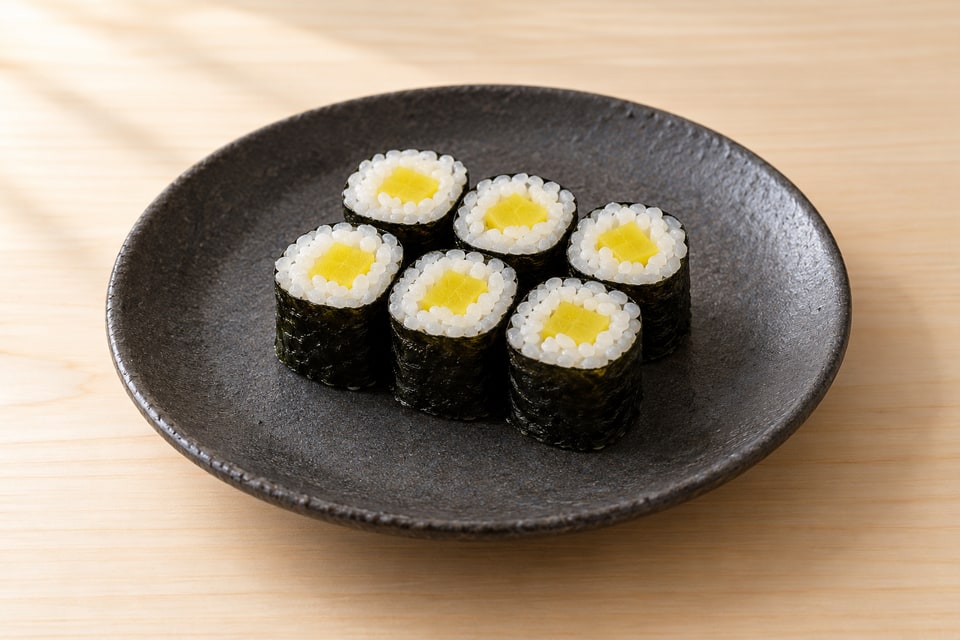
Oshinko maki is a quiet, crisp roll built around pickled radish. Commercial takuan varies in sweetness, salt, and firmness, so taste it before reaching for soy sauce.
Open recipe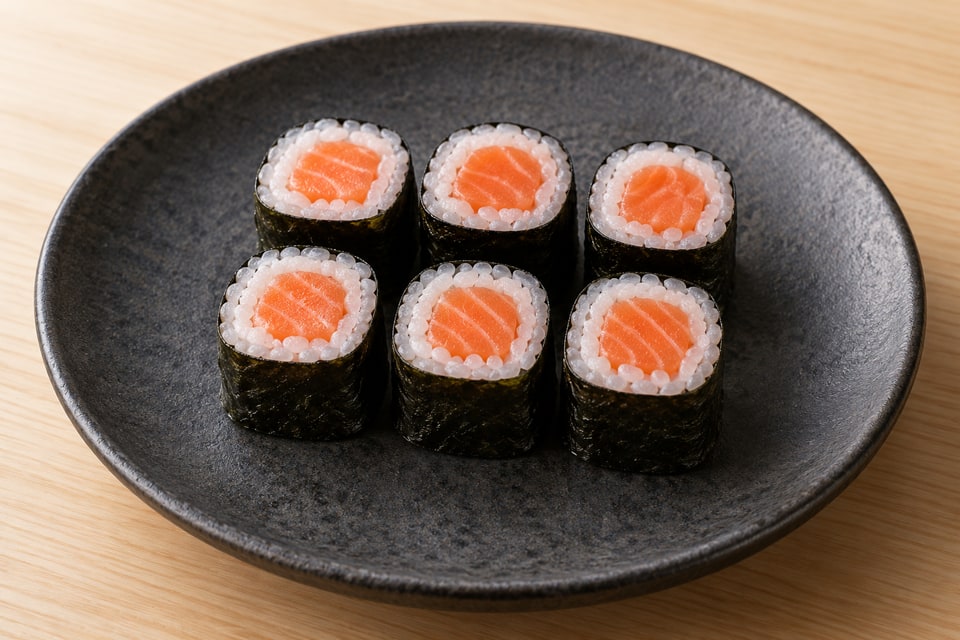
A salmon hosomaki should show one quiet orange line through a small nori-wrapped bite. The rich fish needs neither a thick sauce nor an oversized rice layer.
Open recipe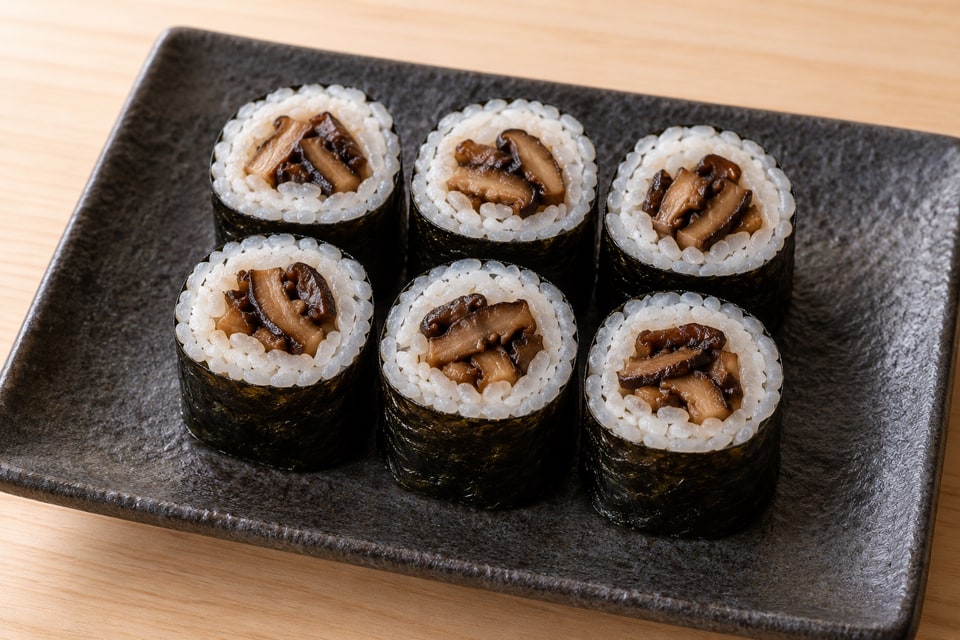
Shiitake maki gives mushrooms time to absorb a lightly sweet soy seasoning, then drains them before they meet the rice. The filling should be tender and savory, not a loose syrup.
Open recipe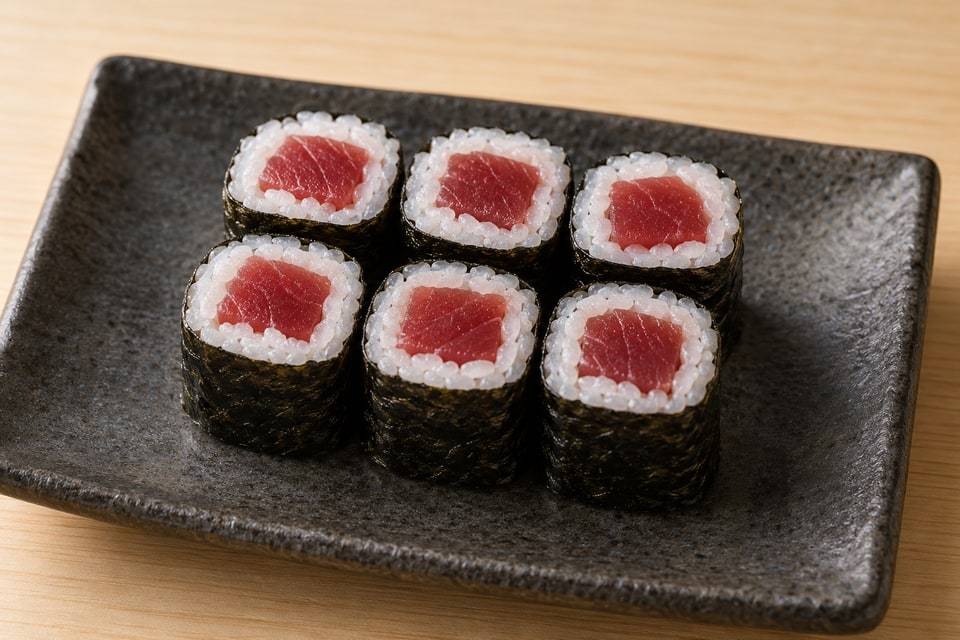
Tekka maki keeps lean tuna at the center of a narrow roll. The fish should be cut into even strips across the grain where the block permits, then enclosed with only a thin veil of rice. Wasabi is restrained.
Open recipe